How to rent a bike locker (and what to check before you do)
Von Tim de Booij am 10. August 2026
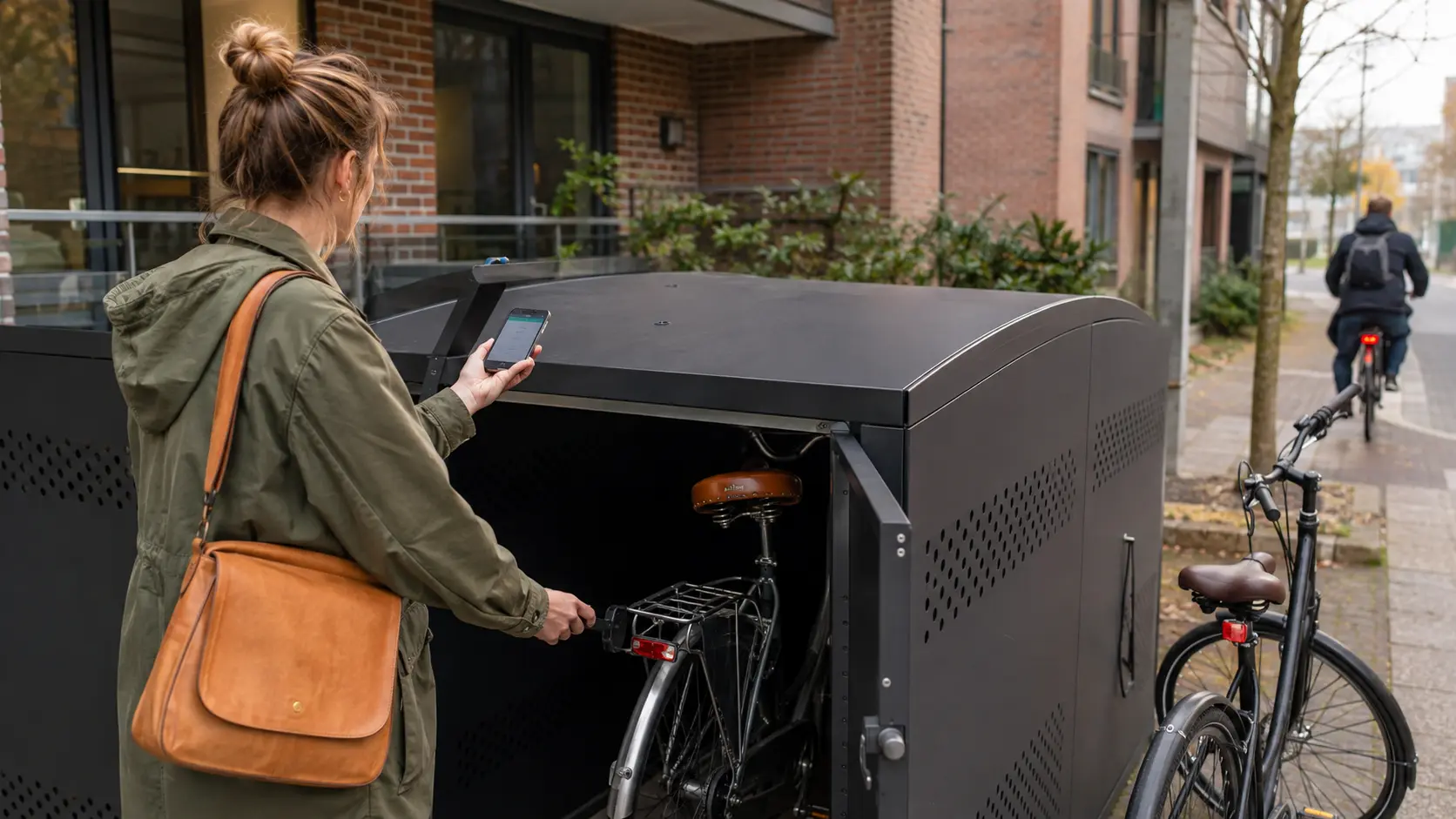
At some point most cyclists have the same quiet thought. The bike out front is worth more than they'd like to lose, the rack it's chained to isn't really doing much, and there's probably a better spot for it somewhere close by. Usually that better spot is a locker.
The catch is that "renting a bike locker" still sounds like something out of 2005. A waiting list, a deposit, a form at the town hall, maybe a coin slot and a key you're scared to lose. For a long time that's more or less what it was. It isn't anymore, at least not where the whole thing has moved onto your phone. So here's how renting a locker actually works now, and the handful of things worth checking before you commit to one.
What renting a locker looks like now
The old model was built around keys and paperwork. You'd track down whoever ran the lockers, join a queue, leave a deposit, and eventually get a physical key for one specific door. If you moved or stopped needing it, that was another trip and another form.
The version that's spread over the past few years skips almost all of that. You find a free locker on a map, reserve it, and open it from an app when you get there. There's no key to carry and no office hours to work around. For the people who run the lockers, the same shift means they don't have to hand out keys or chase invoices by hand, which is a big part of why more of them offer it this way now.
How it works with ParkMyBike
Ours is one of the systems that works like this, so I'll use it as the concrete example. The steps are deliberately boring, which is the point.
You download the ParkMyBike app, create an account, and add a payment method once. After that you search for available spots near you, reserve one, and unlock it when you arrive. When you're done you end the rental in the app, and payment is handled automatically. If you rent month after month, you're not re-entering card details every time.
You also get to choose how you rent. A single use makes sense if you just need somewhere safe for an afternoon. A personal subscription fits a daily commute. There's a business option too, for employers who want to offer their people a proper spot rather than a rack by the door. The app is on both iOS and Android, and the locker itself can use our own SmartLock or an existing lock, since the system is built to connect to most of what's already out there.
What to check before you rent
A locker is only worth it if it's the right locker, so a few things are worth a look first.
Start with location, because it's the one that actually decides whether you'll use it. A locker two streets past where you're going will quietly stop getting used. The good ones sit exactly where you already stop: next to the station entrance, at the bus stop, at the park and ride where you swap the bike for a train.
If you ride an electric bike, check whether the spot offers charging. A lot of our locations do, which means the battery tops up behind a locked door instead of coming with you onto the train. Some lockers add small comforts on top of that, like interior lighting for the dark half of the year or a hook for a wet raincoat.
Then there's who runs it and what it costs. Lockers are usually operated by a municipality or a local provider, and they set their own rates and conditions. In practice that's often a modest daily rate or a monthly subscription, but it's worth reading the specific terms for the spot you're eyeing rather than assuming. And be honest with yourself about single use versus a subscription. If you'll park there most days, the subscription almost always wins.
Where you'll actually find one
This part surprises people. Smart lockers aren't a pilot in one clever city anymore. ParkMyBike now runs more than 300 subscription parking spaces across the Netherlands, Belgium, the UK and France, with the first ones dating back to 2016 in Fryslân.
A lot of them sit at exactly the spots described above. There are forty lockers at metro station De Akkers in Nissewaard, complete with e-bike charging, and clusters of lockers at park and ride sites and bus stops across Groningen, Drenthe and Friesland where people leave the bike and pick up public transport. If there's one near you, it'll show up in the app.
Park behind a locked door instead of on an open rack
ParkMyBike turns secure, app-controlled bike lockers and garages into one smart parking system for cyclists, providers and manufacturers.
Find a spot near you and rent it straight from the app at parkmybike.app, or get in touch if you run a location and want to offer app-controlled lockers to your cyclists.
Weitere aktuelle Blogbeiträge
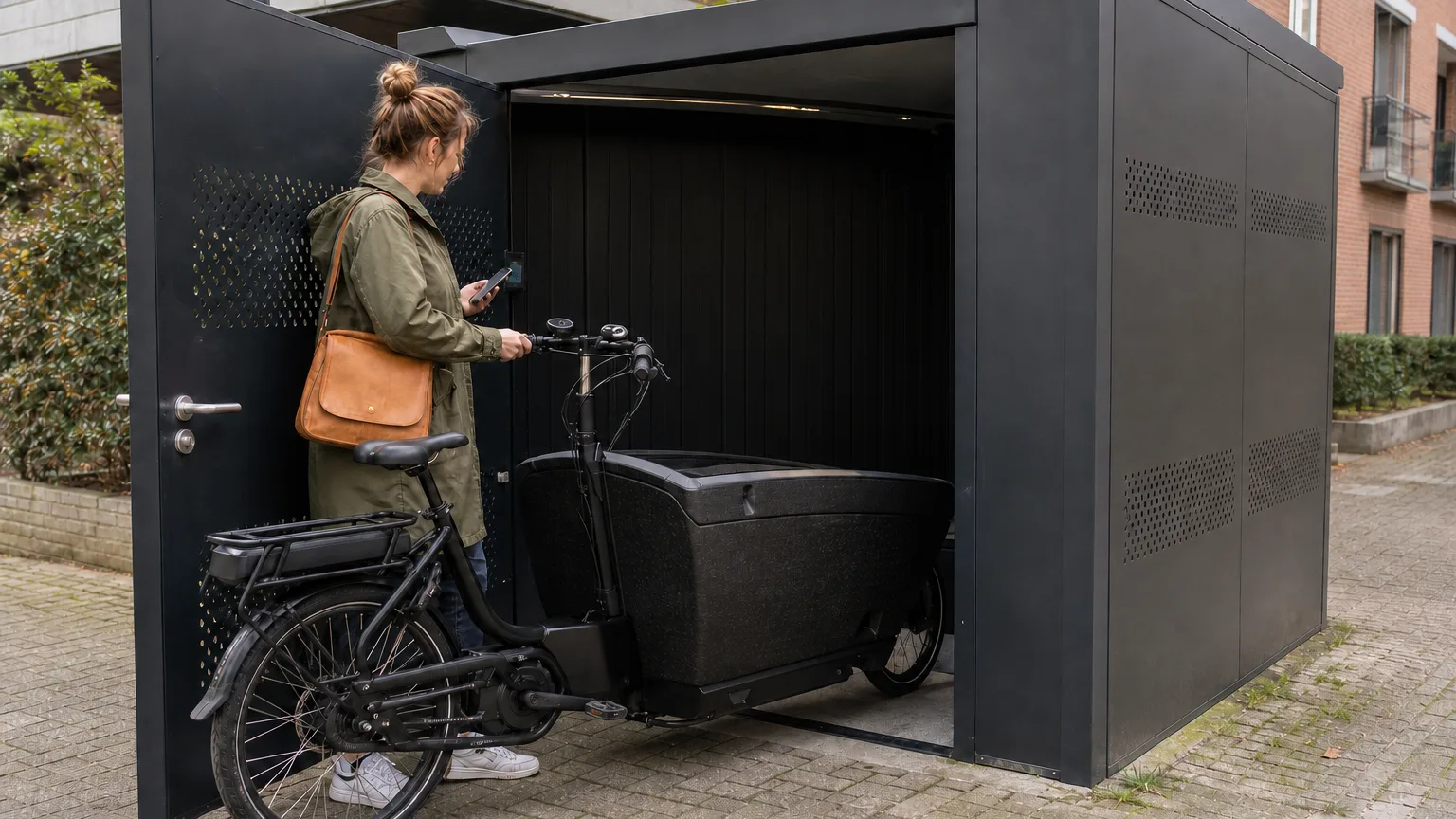
How to park a cargo bike securely (when it won't fit the rack)
A cargo bike is the most expensive bike most people will ever own, and the hardest to park. Here's how to store one safely, and where a secure spot fits in when there's no shed at home.
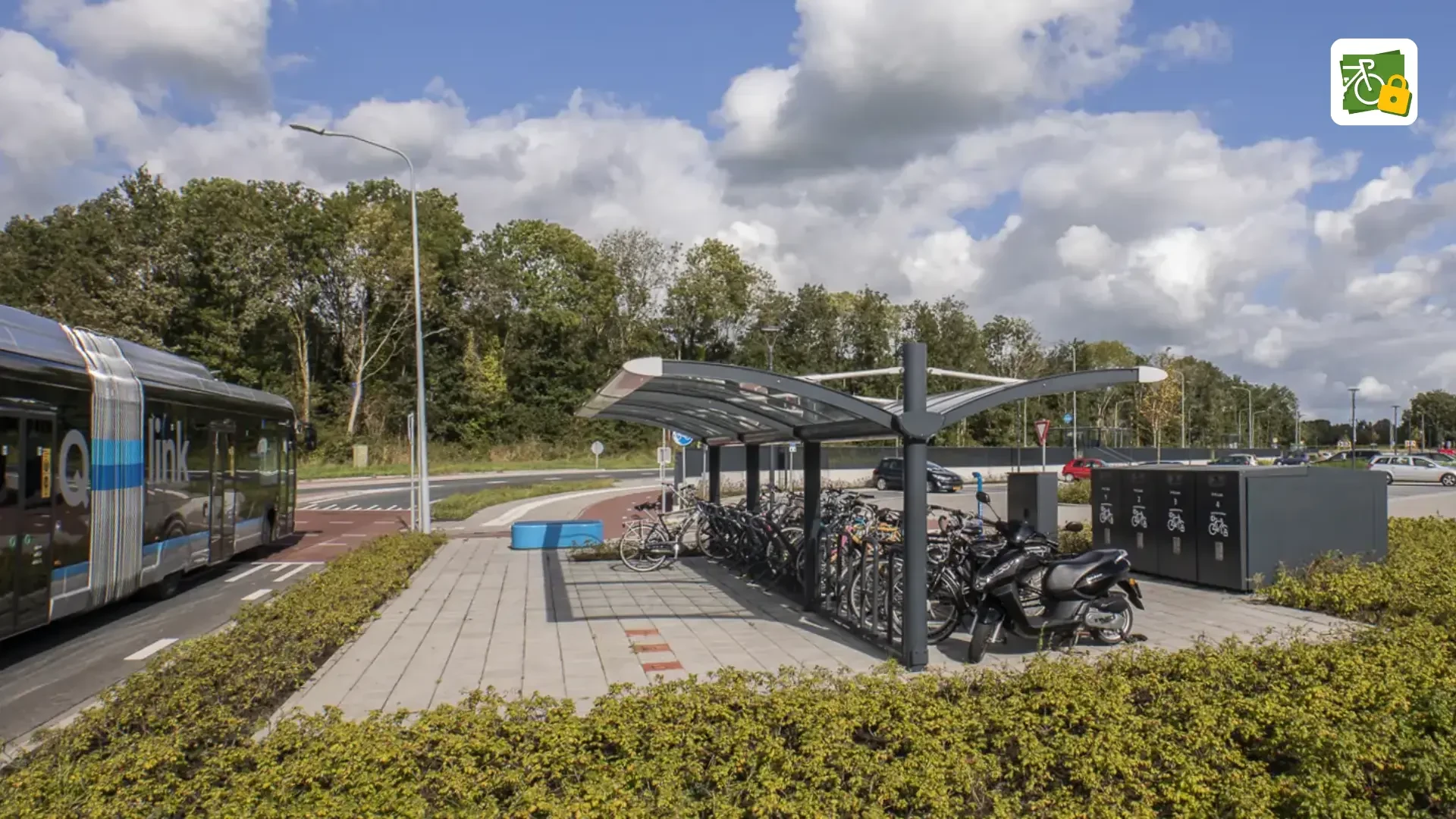
Residential bike storage: why the waiting lists run for years, and what actually shortens them
Waiting lists for secure residential bike storage now run into years in cities across the UK and the Netherlands. A lot of that delay isn't a shortage of units, it's how they're managed.